WALKABILITY AS A MEASURE OF URBAN WELLNESS
WALKABILITY AS A MEASURE OF URBAN WELLNESS
OUR METHOD TO ACHIEVE WALKABILITY IS THE ONLY PLAN THAT IS DESIGNED FOR EVERYONE
WALKABILITY AS A MEASURE OF URBAN WELLNESS - SYSTEMIC REVIEW
OVERVIEW
The urban realm is prone to many conflicting issues, which do not have a single solution. However, research has shown that walkability is an outcome that displays net benefits for a community, and is a measurement to the quality of life of an area. With that knowledge, Tempe can become more walkable without direct infrastructural reform but rather by creating more walkable spaces.
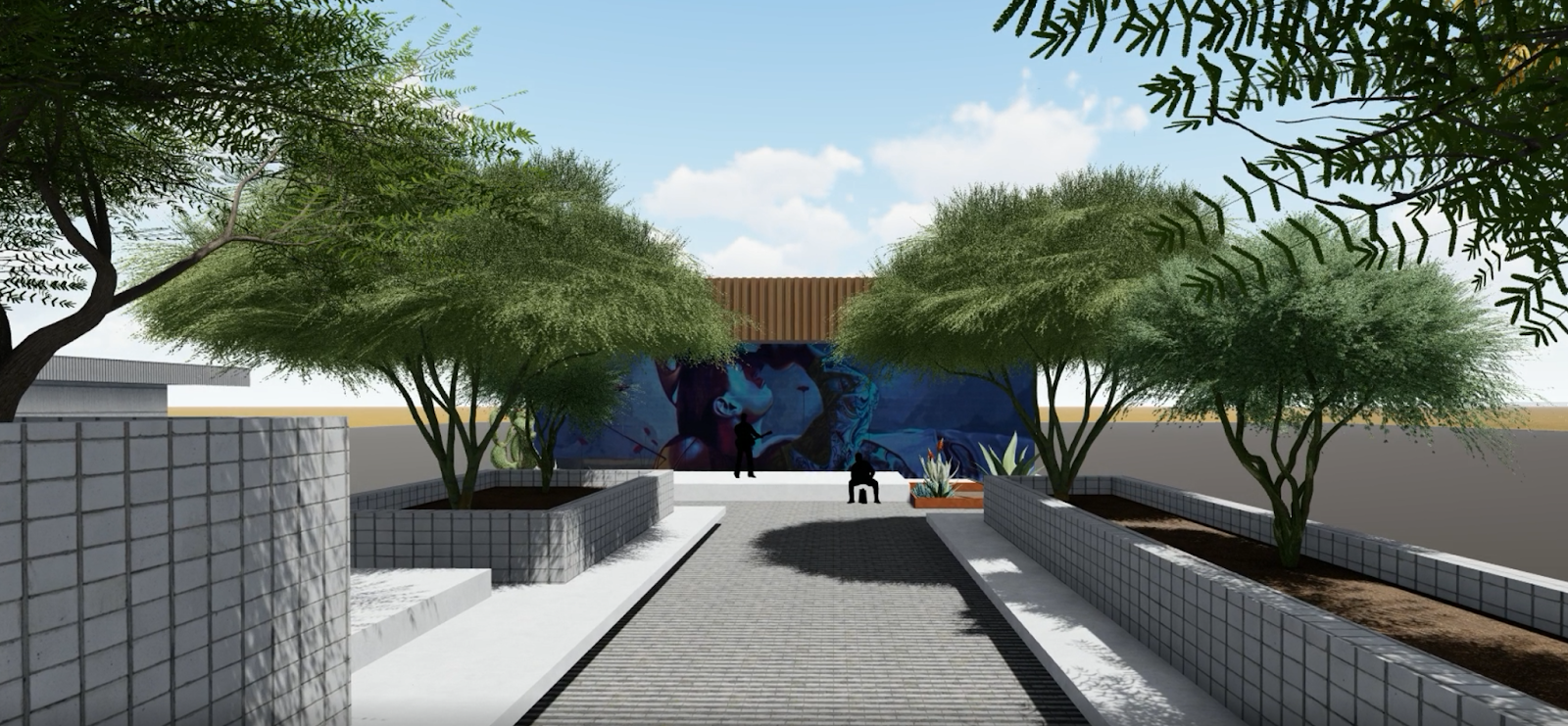
For my project I would like to design a space to supplement an urban streetscape in Tempe Arizona through principles of sustainability that improve walkability and apply therapeutic values. The process I would like to exercise in this project is participatory design by connecting with a local neighborhood and listening to what residents would like to see developed in their neighborhood. Examples of potential projects include but are not limited to: an additional crosswalk, bike route, community garden, public venue/stage or public structure. The primary idea is to plan a development residents commonly would like to see, then generate a design involving local artists and result in a walkable neighborhood amenity. Representing a community through a design landmark regardless of size will result in community engagement, conversation and a place for intersectional memories.